

Home / Processes / Fire-retardant coating of wood
Process 06 · Fire
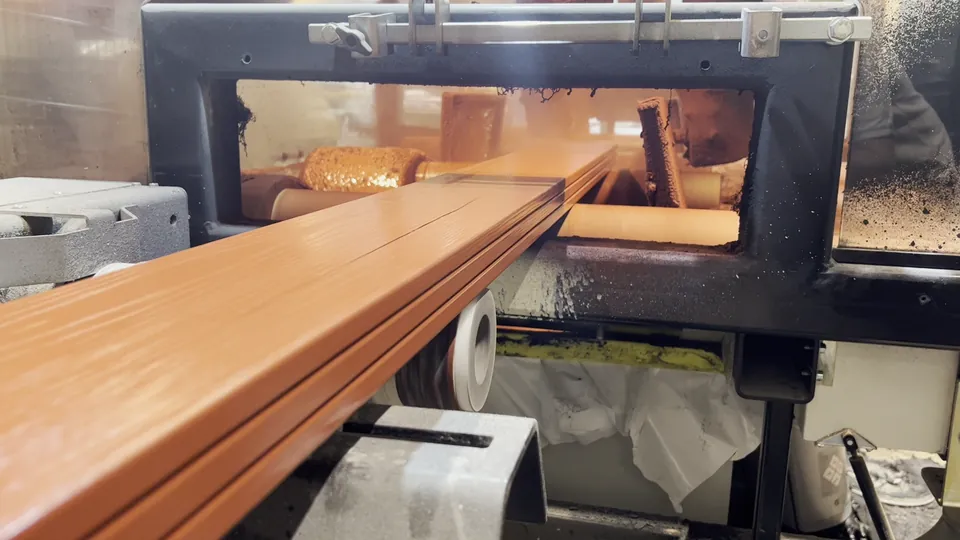
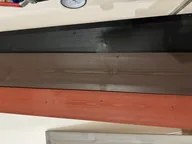
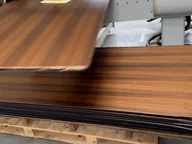
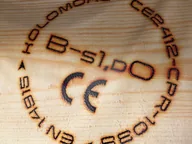
Fire-retardant coating of wood, up to B-s1,d0.
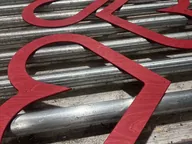
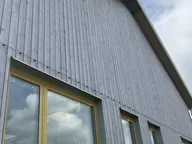
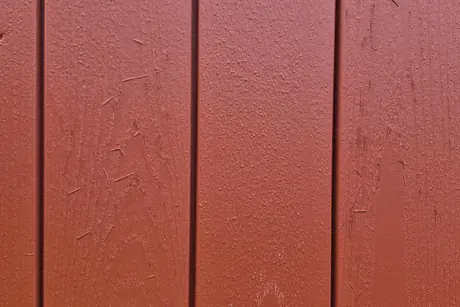
Fire-retardant, intumescent paint that swells and forms a protective layer of foam when it gets hot. For walls, ceilings, fixed furnishings and furniture in larger building projects, and also for exterior cladding.
The fire protection is in the paint
From class D to class B.
The fire protection lies in the paint alone, so the wood does not need fire-retardant impregnation before we paint it. This means that we can take the wood in straight from the sawmill, which shortens the lead time considerably.
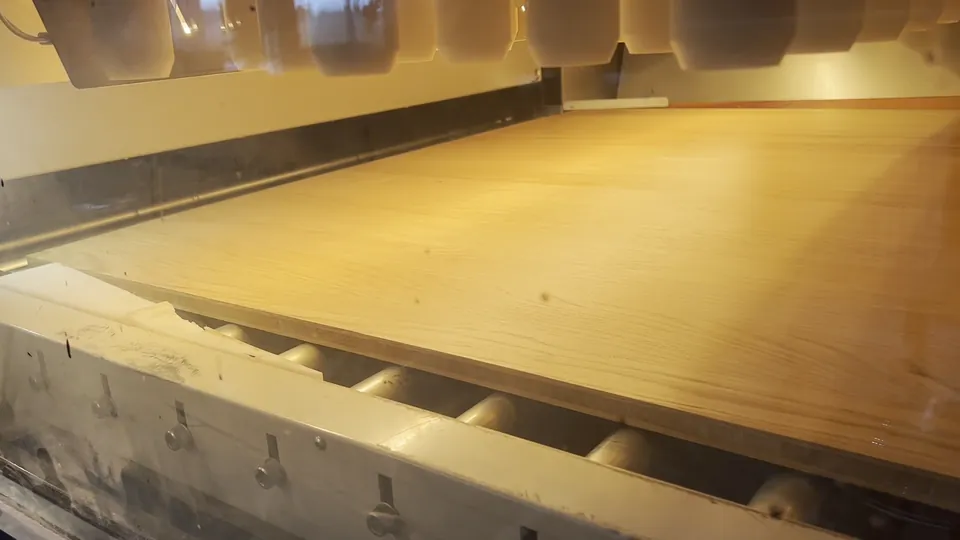
For indoor use, we can take virtually any wood material in fire class D and make it fire class B in a short time.
- Solid wood
- MDF
- OSB
- Plywood
- Glulam
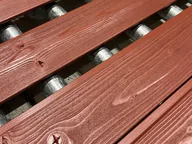
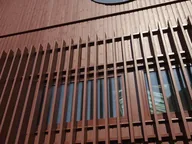
For outdoor use there are a few more restrictions on wood species, but spruce and larch, for example, can be painted with the Teknosafe 2407 fire-retardant system and can thereby meet B-s1,d0.
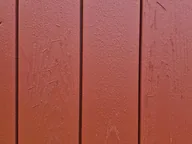
Translucent, transparent fire-retardant coatings cannot be made for outdoor use, and patination is not an option either, but in return all RAL, NCS and custom colours can be made as an opaque fire-retardant paint system.
When the wood is painted with intumescent paint, rather than fire-retardant impregnated and given a fire-neutral paint, bear in mind that cutting to length and adjusting on site destroys the fire protection. Cut surfaces must therefore be touched up with fire-retardant paint on site so that the facade as a whole meets the fire requirements.
Do the profiles need to be adjustable on site? See the difference between the two routes to class B.
Fire-retardant paint
- Fire class
- Up to B-s1,d0
- Substrate
- Solid wood, MDF, OSB, plywood, glulam and much more
- Application
- Walls, ceilings, fixed furnishings and furniture in larger building projects, and exterior cladding
- Paint from
- Teknos, Sherwin-Williams, TREET and Masquelack
- Time
- A short time, the wood does not need impregnating first
- Max. dimensions
- Traverse line: 1,250 × 9,000 × 70 mm
Profile line: 250 × 6,000 × 90 mm
The processes
The other processes.
- 01Spray painting of panel componentsDoors, cabinet doors, cabinet sides and window framesTraverse line
- 02Spray painting of profilesProfiles and facade claddingTraverse line Profile line
- 03UV roller coating of panelsUV lacquer and UV oil in large runsUV roller line
- 04UV spray coating of panelsSpray-painted and cured with UV lightTraverse line
- 05VACUMAT coating of profilesVacuum coating of profiles and mouldingsVacumat
- 07Fire-neutral painting of wood, class BBurnblock-impregnated wood with CE markingTraverse line Profile line
- 08Fire-neutral painting of wood, class DDocumented to keep class DTraverse line Profile line
- 09UV oilingOil cured with UV lightTraverse line UV roller line
- 10Conventional oilingA fine lustre that can be refreshedTraverse line Profile line Vacumat
- 11StainingA water-based colour that soaks into the woodTraverse line Profile line Vacumat
- 12Wax treatmentClear or tinted waxTraverse line Profile line Vacumat
- 13Wood protectionFor exterior woodworkTraverse line Profile line Vacumat
- 14Partial coating of profilesRazor-sharp edge between painted and unpaintedVacumat
- 15PatinationWeathered from day oneTraverse line Profile line Vacumat
Does the wood need to reach class B?
Tell us about the project, the material and the fire class you need to achieve, and we will help you choose a system.

Bo Hjorth Jensen founder and CEOCall +45 93 96 18 28Email bhj@kolomore.com
Business customers only. No sales to private customers